Carmen Nealy asked 8か月 ago
Integrating Cooking: A Comprehensive Guide to Integrated Hobs and OvensIn the modern kitchen, effectiveness combines effortlessly with design. An integrated hob and oven system exemplifies this blend, using both functionality and aesthetic appeal. As home cooks seek ways to improve their culinary spaces, understanding the advantages and functions of integrated hobs and ovens becomes necessary. This post looks into the various elements of integrated cooking appliances, offering insights into their benefits, installation factors to consider, and integrated hob and oven upkeep tips.What is an Integrated Hob and Oven?An integrated hob and oven setup describes the style where the cooking hob (the surface area on which pots and pans are positioned to prepare food) and the oven (the appliance used to bake, roast, and broil) are developed to fit perfectly into kitchen cabinet systems. This cohesive style not just conserves space but also improves the visual uniformity of the kitchen.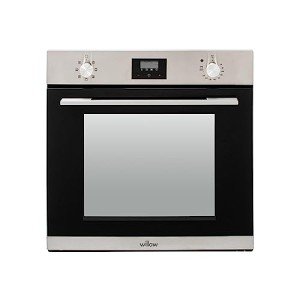 Key Features of Integrated Hobs and Ovens
- Area Efficiency: These appliances are developed to fit within standard cabinets, optimizing kitchen area while permitting more storage choices.
- Elegant Appearance: Integrated models offer a streamlined, contemporary look that can elevate any kitchen's visual.
- Improved Functionality: Many integrated systems include sophisticated features such as induction cooking, self-cleaning ovens, and smart innovation compatibility.
- Much better Usability: Placing the hob at a proper height and having the oven easily located below can enhance cooking ergonomics.
Benefits of Integrated Hobs and OvensThe growing preference for integrated hobs and ovens arises from a number of associated benefits:1. Space-Saving Design
- Integrated appliances eliminate the requirement for large standalone systems.
- They enable more counter area, producing a practical work space for cooking.
2. Aesthetic Cohesion
- Integrated systems can be finished to match kitchen cabinetry, offering a sleek and unified look.
- The kitchen can maintain a minimalist style, devoid of visual mess.
3. Superior Functionality
- Functions like touch controls, timers, and automated cooking programs can boost the cooking experience.
- Induction hobs can provide quicker cooking times and more accurate temperature control compared to standard gas or electric hobs.
4. Energy Efficiency
- Lots of contemporary integrated ovens come with improved insulation and energy-efficient functions, lowering energy usage.
- Induction hobs utilize energy straight in the cookware, resulting in less heat loss and faster cooking.
Installation ConsiderationsWhen considering an integrated hob and oven, numerous aspects should be examined during installation.1. Space Measurements
- Kitchens Layout: Ensure the measurements of the offered area accommodate both the hob and oven.
- Ventilation: Adequate ventilation is vital to avoid overheating and guarantee efficient operation, particularly with gas models.
2. Electrical and Gas Connections
- Power Supply: Verify that the kitchen's power supply fulfills the home appliance requirements (voltage, amperage).
- Gas Lines: For gas hobs, professional setup might be necessary to guarantee safety.
3. Personalization and Finishes
- Select finishes that match kitchen interiors, such as stainless-steel, glass, or even custom cabinets to conceal the appliances.
4. Accessibility
- Ensure that both the hob and oven are quickly obtainable. An ergonomic setup will enhance the cooking experience and make it safer.
Integrated Hob and Oven ModelsModelTypeKey FeaturesPrice RangeBosch Series 4 HBG634BBRBuilt in ovens electric-built in electric ovensWi-Fi connectivity, numerous cooking modes₤ 1,200 - ₤ 1,500Samsung NZ48K7570UGInductionFlex zone, clever technology, touch controls₤ 1,500 - ₤ 2,000Miele H 6260 BPbuilt in oven to buy-InSelf-cleaning, automatic programs, streamlined design₤ 2,500 - ₤ 3,500NEFF B57VR22N0MultifunctionSlide&& Hide door, advanced heat circulation₤ 2,000 - ₤ 2,500Maintenance TipsTo take full advantage of the life and performance of integrated hobs and ovens, proper maintenance is important:
- Regular Cleaning: Clean the hob and oven routinely to prevent accumulation from spills and food residues. Usage non-abrasive cleaners to secure surface areas.
- Check Seals and Gaskets: Check oven door seals to guarantee effective heating and avoid energy loss.
- Look for Damage: Regularly inspect gas hoses, electrical cable televisions, and connections for wear or damage. Immediate repair or replacement is essential for security.
- Follow Manufacturer's Guidelines: Adhere to the particular maintenance directions supplied by the producer for optimal performance.
FAQs1. Can I set up an integrated hob and oven myself?
- While some house owners select DIY setup, it is suggested to hire a professional, especially when gas connections or electrical wiring are included.
2. Are integrated hobs and ovens energy-efficient?
- Many modern-day integrated systems are developed with energy performance in mind, featuring thermal insulation and energy-saving modes.
3. What is the very best material for an integrated hob and oven?
- Stainless steel is popular due to its toughness, ease of cleaning, and resistance to deterioration. However, glass ceramic and enamel-coated alternatives likewise provide visual appeal.
4. How do I troubleshoot typical issues with integrated hobs and ovens?
- Refer to the user manual for repairing standards. Fundamental problems like power failures or unequal cooking may often be dealt with through simple adjustments or resets.
An integrated hob and oven system offers a combination of functionality and design that lines up with modern-day kitchen designs. By comprehending the advantages, installation requirements, integrated hob and oven and upkeep suggestions associated with these appliances, homeowners can make informed choices that boost their cooking experiences. As kitchen areas develop into multifunctional areas, integrated cooking services will continue to get appeal, forming the future of cooking spaces.